The Low Histamine Diet Plan PDF delivers a 4‑week framework, merging science with ready‑to‑cook recipes․ It supplies meal templates, shopping lists, and symptom logs, filling the gap of accessible guides for managing histamine intolerance․ Readers can track, adjust portions, meals to taste now․
Purpose and Scope of the PDF Resource
In response to the growing frustration among practitioners and patients, the LowHistamine Diet Plan PDFserves as a comprehensive, evidence‑based guide tailored for individuals with histamine intolerance․ Its primary purpose is to bridge the gap between theoretical knowledge and everyday practice by providing a structured 4‑week meal plan, detailed recipes, and practical tools for tracking symptoms and dietary triggers․ The PDF is designed for both clinicians and self‑directedusers, offering clear instructions on how to integrate low‑histamine foods into a balanced diet while maintaining nutritional adequacy․ By including portion guidance, shopping lists, and a symptom diary, the resource empowers users to monitor progress, identify patterns, and make informed adjustments․ The scope extends beyond simple food avoidance; it emphasizes sustainable lifestyle changes, such as mindful cooking techniques, storage practices, and the use of fresh ingredients to minimize histamine build‑up․ Additionally, the guide addresses common misconceptions, clarifies the distinction between food allergies and histamine intolerance, and offers strategies for navigating social eating situations․ Ultimately, the PDF aims to reduce flare‑ups, improve quality of life, and provide a repeatable framework that can be adapted to individual preferences and evolving clinical evidence․
The guide offers a symptom tracker and a glossary to help users reintroduce foods safely!!!
Understanding Histamine Intolerance
The Low Histamine Diet Plan PDF explains that histamine intolerance occurs when the body’s ability to break down histamine is reduced, causing excess levels that trigger symptoms․ The guide details histamine’s role, production, and diet can overwhelm defenses
Definition and Biological Role of Histamines
In the Low Histamine Diet Plan PDF, histamine is defined as a biogenic amine produced by mast cells, basophils, and certain neurons․ It acts as a neurotransmitter, immune modulator, and gastric secretagogue, influencing vasodilation, smooth‑muscle contraction, and allergic responses․ The PDF explains that normal digestion degrades excess histamine via diamine oxidase (DAO) and histamine‑N‑methyltransferase (HNMT)․ When DAO activity falls—due to genetics, medications, or gut dysbiosis—histamine accumulates, triggering flushing, headaches, and gastrointestinal distress․ The guide highlights that foods high in histamine or that release it during storage (e․g․, aged cheeses, cured meats, fermented products) can overwhelm the body’s limited breakdown capacity․ Understanding this biochemical cycle is essential for tailoring the 4‑week meal plan: selecting low‑histamine foods, timing intake, and incorporating DAO‑supporting nutrients such as vitamin C, zinc, and B‑complex vitamins․ By mapping histamine’s role, the PDF empowers patients to recognize triggers, monitor symptoms, and adjust dietary patterns to restore balance and reduce flare‑ups․ The PDF also recommends tracking symptom severity with a simple diary, noting food timing, portion size, and emotional stressors, as these factors can influence histamine release․ Additionally, it advises consulting a registered dietitian to personalize the plan, ensuring nutrient balance reducing triggers․

Identifying Symptoms of Histamine Intolerance
Common symptoms include flushing, headaches, nasal congestion, itchy skin, abdominal cramps, diarrhea, and heart palpitations Patients report spikes after aged cheeses, fermented foods, or alcohol Tracking reactions helps tailor PDF plan․
Common Manifestations and Patient Reports
Patients frequently describe a spectrum of uncomfortable sensations that emerge after consuming foods high in histamine․ The most common complaints include a sudden, diffuse facial flushing that can spread to the neck and upper chest, accompanied by a throbbing headache that often intensifies over the course of the day; Many report itchy, raised welts or hives that appear within minutes of ingestion, sometimes accompanied by a burning sensation in the mouth or throat․ Gastrointestinal distress is also widely reported, ranging from mild bloating and abdominal cramps to severe diarrhea that can disrupt daily routines․ Some individuals notice a rapid increase in heart rate or palpitations, sometimes described as a racing or pounding heart, which can be alarming and may trigger anxiety․ Nasal congestion and a runny or stuffy nose are common, as are sensations of pressure or fullness in the ears․ A subset of patients experience a low, persistent energy level that can feel like chronic fatigue, while others report a feeling of warmth or heat throughout the body, especially in the upper torso․ These symptoms can vary in severity and may be influenced by the timing of meals, portion sizes, and individual sensitivity thresholds․ The PDF includes a symptom diary template that encourages users to record the type, intensity, and timing of each reaction, allowing for a clearer correlation between specific foods and their effects․ Tracking these reactions helps tailor the plan to individual needs and health!!
Core Principles of a Low Histamine Diet
The PDF outlines three core pillars: strict avoidance of high-histamine foods reintroduction, and nutrient intake․ It emphasizes fresh, low-histamine proteins seasonal produce and safe grains while providing portion guidance and symptom tracking tools․
Food Categories to Limit and Replace
The Low Histamine Diet Plan PDF outlines clear categories to reduce or eliminate during the initial phase․ Foods high in histamine or that trigger its release—including aged cheeses, processed meats such as salami and bacon, fermented products like sauerkraut and kefir, oily fish (tuna, mackerel, sardines), and foods stored for days—are listed for avoidance․ Alcoholic beverages, especially wine and beer, are also flagged․ Certain vegetables (tomatoes, spinach, eggplant, avocado) and nuts (walnuts, cashews) may provoke histamine release and should be approached cautiously․ For each restricted item, the PDF recommends low‑histamine substitutes that preserve flavor and nutrition․ Fresh poultry (chicken, turkey, lamb) and fish such as cod, haddock, or pollock replace processed meats and oily fish․ Dairy alternatives include lactose‑free milk, coconut milk, and oat‑based yogurts․ Vegetables such as carrots, zucchini, bell peppers, and green beans are encouraged, while leafy greens are reintroduced gradually․ Fruits like apples, pears, blueberries, and grapes can replace higher‑histamine options such as strawberries, bananas, and citrus․ Herbs and spices that are low in histamine—basil, oregano, thyme, rosemary—are recommended, avoiding garlic and onions․ The PDF also advises using fresh, unprocessed grains like rice, quinoa, and oats, and avoiding wheat, barley, rye, and corn․ It encourages mindful cooking methods such as steaming or grilling to preserve nutrients and reduce histamine formation․ Portion sizes are tailored to individual tolerance levels, with symptom tracking logs to adjust intake․ By systematically limiting high‑histamine foods and choosing low‑histamine substitutes, the plan reduces symptoms, improves tolerance, and supports a balanced diet for individuals managing histamine intolerance․
Building a 4-Week Meal Plan
The PDF offers a structured 4‑week menu, featuring rotating low‑histamine breakfasts, lunches, dinners, and snacks․ It includes portion guidelines, grocery lists, and symptom logs to personalize intake․ Recipes focus on fresh proteins, grains, and vegetables, with optional substitutions․ See PDF!!
Sample Day Structure and Portion Guidance
In the Low Histamine Diet Plan PDF, a typical day is structured into three main meals and two snacks, each aimed at keeping histamine levels stable while providing balanced nutrition․ Breakfast features a small bowl of fresh fruit (e․g․, blueberries or apples) with a protein source such as boiled egg or a small portion of low‑histamine dairy alternative․ Portion sizes are measured in simple units: one cup of fruit, one medium egg, or one tablespoon of yogurt․ Lunch centers on a lean protein (grilled chicken or baked fish) served with fresh, low‑histamine vegetables like zucchini, carrots, or spinach, and a moderate serving of a tolerated grain such as quinoa or rice․ Snacks are light and low‑histamine: a handful of fresh nuts (almonds or walnuts), a small piece of fruit, or a slice of low‑histamine bread with avocado mash․ Dinner mirrors lunch but with a different protein or vegetable to maintain variety․ Portion guidance follows the 4‑hour eating window recommended by the PDF, ensuring even spacing to avoid histamine spikes․ The PDF also includes a visual portion chart, using familiar household items—deck of cards for protein, tennis ball for grain, fist for vegetables—to help readers estimate servings without a scale․ By adhering to this structured approach, users can maintain consistent blood histamine levels, reduce symptom flare‑ups, and enjoy a diverse, satisfying diet․ The chart uses objects, making portion control intuitive for busy lifestyles daily! Additionally, the PDF provides a table for safe and unsafe foods․ Adaptable to preferences and dietary restrictions․!!
Low FODMAP and Low Histamine Synergy
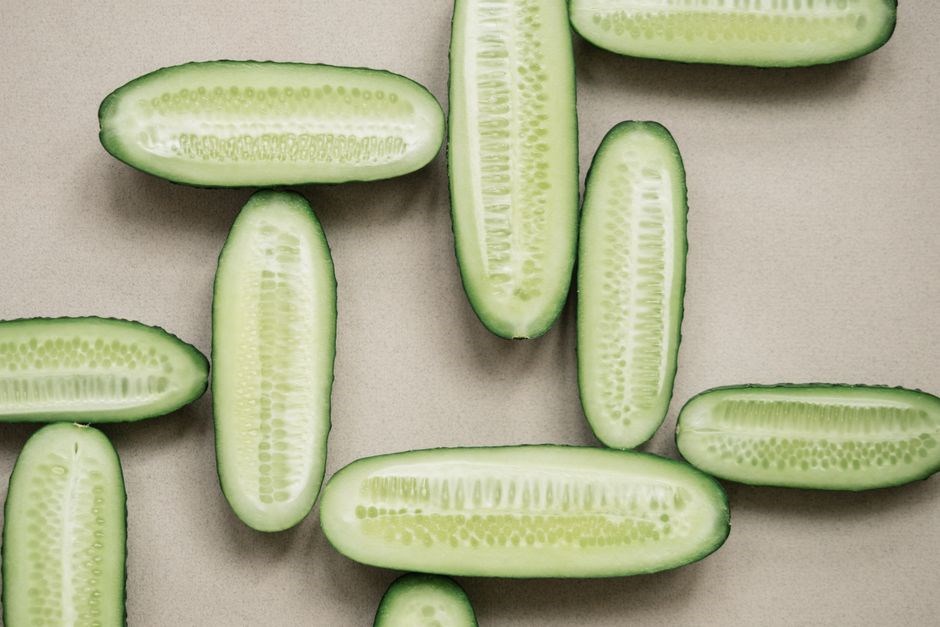
The Low FODMAP and Low Histamine PDF merges two restrictive diets, highlighting safe grains like rice, quinoa, and oats, and vegetables such as zucchini, carrots, spinach, and butternut squash․ It emphasizes fresh fresh foods, avoiding fermented, aged, or high‑FODMAP items to reduce histamine load!
Key Grains and Vegetables to Include
When constructing a low‑histamine plan, selecting the right grains and vegetables is crucial․ Whole grains that remain low in histamine include white rice, basmati rice, and short‑grain rice, as well as quinoa, oats, and buckwheat․ These options provide fiber and essential nutrients while minimizing the risk of histamine spikes․ Avoid wheat, barley, rye, and spelt, which are higher in histamine and can trigger symptoms; For vegetables, focus on those that are fresh, unprocessed, and low in histamine content․ Zucchini, carrots, spinach, butternut squash, cucumber, lettuce, green beans, eggplant, and bell peppers are excellent choices․ They are versatile for salads, stir‑fries, and side dishes, and they pair well with the grains mentioned above․ When preparing vegetables, cook them lightly to preserve nutrients and reduce potential histamine formation․ Steaming, sautéing, or roasting are preferred methods․ Additionally, consider incorporating herbs like parsley, basil, and thyme, which add flavor without increasing histamine levels․ When shopping, opt for organic produce to reduce pesticide exposure, which can exacerbate histamine intolerance․ Finally, keep a food diary to track how each grain and vegetable affects your symptoms, allowing you to fine‑tune your diet over time․ Incorporating seasonal produce can further reduce histamine exposure, as freshly harvested items tend to have lower histamine levels compared to stored produce․ Also, rotating grains weekly helps prevent tolerance build‑up․ Pairing grains with protein sources such as fresh poultry, fish, or legumes like lentils can create balanced meals that support gut health while staying within low‑histamine guidelines․ Enjoy!!!
Low Histamine Biphasic Diet Overview
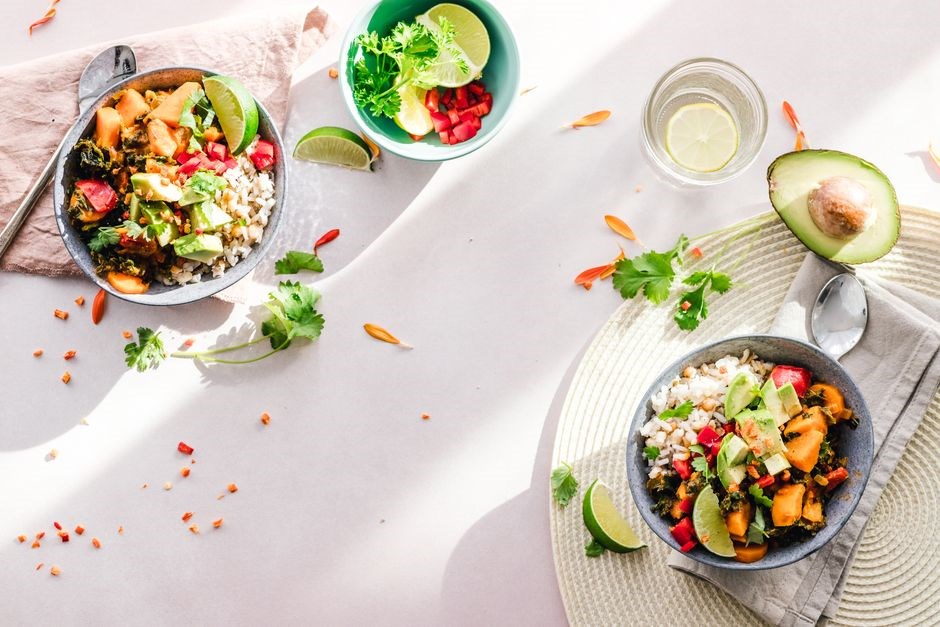
Phase One focuses now on elimination of high-histamine foods, using the PDF’s 4-week meal plan as a template․ PhaseTwo gradually reintroduces tolerated items, monitoring symptoms․ The guide offers timing, portion sizes, and symptom logs for safe progression․
Phase One and Phase Two Guidelines
Phase One is a 4‑week strict elimination period designed to reset the body’s histamine balance․ The PDF outlines a clear list of foods to avoid—aged cheeses, processed meats, fermented products, certain fish, and alcohol—while encouraging fresh proteins, safe grains (rice, quinoa, oats), and low‑FODMAP vegetables such as carrots, zucchini, spinach, and green beans․ Portion sizes are calibrated to meet daily protein and fat needs without exceeding histamine thresholds․ Patients are advised to keep a symptom diary, noting headaches, flushing, GI distress, or skin reactions, which helps the practitioner refine the plan․ The PDF also includes practical tips for reading labels, choosing fresh produce, and preparing meals that stay within the low‑histamine framework․
Phase Two is the reintroduction stage, where foods are reintroduced one at a time over a 3–5 day interval․ The PDF provides a detailed chart that starts with low‑histamine fruits (e․g․, apples, pears), then moves to tolerated nuts, legumes, and finally higher‑histamine items if tolerated․ Each reintroduction is monitored for a 48‑hour period; any adverse reaction triggers a return to Phase One․ The goal is to identify individual tolerances while maintaining nutritional adequacy․ The PDF offers guidance on portion control, cooking methods that reduce histamine formation, and strategies for incorporating safe condiments and spices․ By the end of Phase Two, patients should have a personalized menu that balances flavor, nutrition, and histamine safety․
Throughout both phases, the PDF emphasizes hydration, mindful eating, and stress management, all of which can influence histamine release․ It also includes a printable shopping list and recipe adaptations, ensuring that patients have ready‑to‑use resources for each week․ By following the structured phases, individuals can systematically identify triggers, reduce symptoms, and build a sustainable low‑histamine lifestyle․
Practical Tips for Implementing the PDF Plan
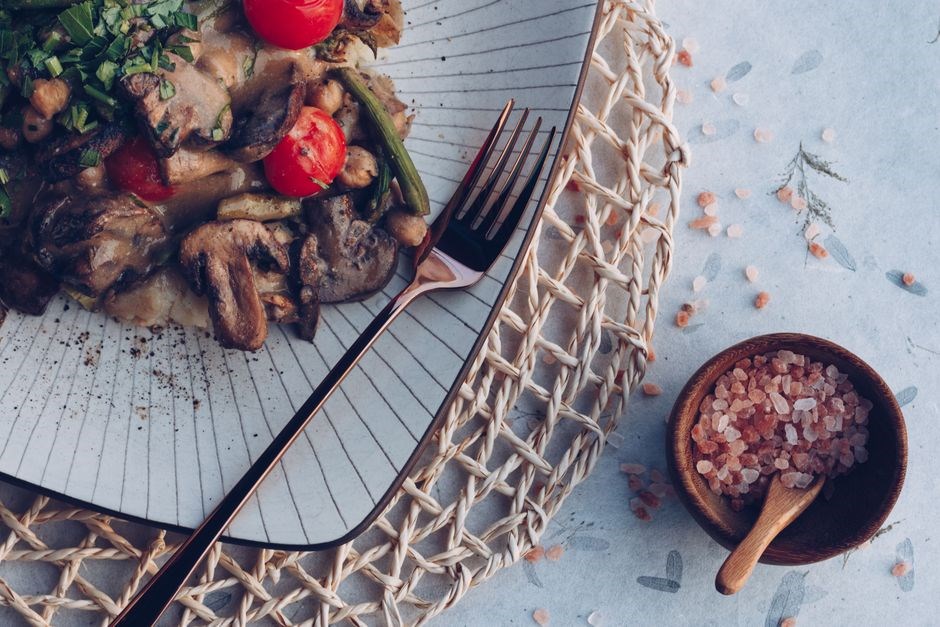
Use the PDF’s shopping list to batch‑cook safe staples, label leftovers, and track symptoms daily․ Rotate fresh proteins, swap high‑histamine condiments for herbs, and keep a journal to refine your personalized menu․ and stay hydrated․ daily․!
Shopping Lists and Recipe Adaptations
Begin by reviewing the PDF’s curated shopping list, prioritizing fresh, low‑histamine staples like free‑range chicken, turkey, fresh fish, eggs, and seasonal vegetables such as zucchini, carrots, and leafy greens․ Avoid pre‑packaged sauces, cured meats, and aged cheeses․ Group items by section to reduce cross‑contamination and keep the kitchen organized!
Recipe adaptations keep variety while staying within limits․ Swap high‑histamine items for low‑histamine alternatives: replace canned tuna with fresh salmon, use fresh tomato sauce instead of jarred, and swap soy sauce for coconut aminos․ When a dish calls for cheese, choose fresh mozzarella or homemade cashew cheese․ Rotate grains like rice, quinoa, and oats, cooking them separately to avoid mixing․
- Protein swaps: Fresh poultry, fish, or eggs over processed meats․
- Vegetable rotation: Zucchini, carrots, spinach, and broccoli; avoid asparagus, avocado, and beet greens․
- Condiment hacks: Use fresh herbs, lemon juice, and olive oil instead of sauces․
- Snack ideas: Fresh fruit, homemade popcorn, or a small portion of low‑histamine nuts․
Keep a notebook or log to record each meal, noting any symptoms that arise․ This feedback loop helps refine the plan, ensuring that the PDF remains a living document tailored to individual tolerance levels․ Consistency, mindful shopping, and substitutions will keep the diet enjoyable and effective․